Behind the Scenes: Bunker Healers Refuge
Swati Ghorpade
Writer & Director
My First Short Film: Bunker Healers Refuge
When I joined Scottsdale Community College's Film & Theatre program, I was excited about every class. Every homework assignment felt like one more step that would take me closer to my dream of becoming a filmmaker. I wanted to learn everything I could, and I was always looking for ways to turn classroom assignments into meaningful filmmaking experiences.
Around that time, the Russia-Ukraine war had just begun. Like many Indians, I was closely following the news, especially the stories of thousands of Indian medical students stranded in Ukraine. Their videos from underground bunkers, shared across social media, were heartbreaking. Hearing their fear, uncertainty, and hope left a deep impact on me.
As part of my Advanced Sound Design class, I decided to create an audio project inspired by the experiences of those students. Since the assignment was purely audio, my challenge was to tell the entire story through sound. I recreated the sounds of bombing, fighter jets, footsteps, and the tense atmosphere inside a bunker using Foley techniques and layered sound design. Some of the effects came from surprisingly simple objects; bursting bubble wrap became explosions, the sound of a running grinder helped create the roar of aircraft, and multiple layers of audio brought the terrifying world outside the bunker to life. Through narration, the audience experienced what the students were hearing, feeling, and imagining while trapped underground.
That audio project became the seed of something much bigger.
The following year, I enrolled in Advanced Editing and also signed up for a Special Project course that allowed students to use the college's resources to produce a short film. I knew immediately that I wanted to bring the bunker story to life.
Using everything I had learned in my screenplay writing classes, I converted the audio concept into a screenplay. I then attended a screenplay workshop conducted by Rebecca Semik, where I further developed the script. My classmates read it, questioned it, challenged it, and offered thoughtful, constructive feedback. Their insights helped transform the script into a much stronger and more emotionally grounded story.
To produce the film as my Special Project, I had to pitch the idea to faculty and recruit a student crew from the film program. It was my very first experience presenting and defending a film project, and it taught me an important lesson that filmmaking begins long before the camera starts rolling.
Fortunately, I was surrounded by an incredible group of talented students who believed in the project and joined the crew.
Casting presented a unique challenge. Since the story centered on Indian medical students in Ukraine, I needed a large group of young Indian actors. Finding trained actors who fit that profile in Arizona wasn't easy. I reached out to a friend who helped connect me with several young professionals working in the IT industry. Most of them had never acted before.
We held rehearsals to help everyone become comfortable with their characters. Watching these first-time performers gradually transform into frightened students trapped inside a war bunker was incredibly rewarding. They gave honest, heartfelt performances that exceeded every expectation.
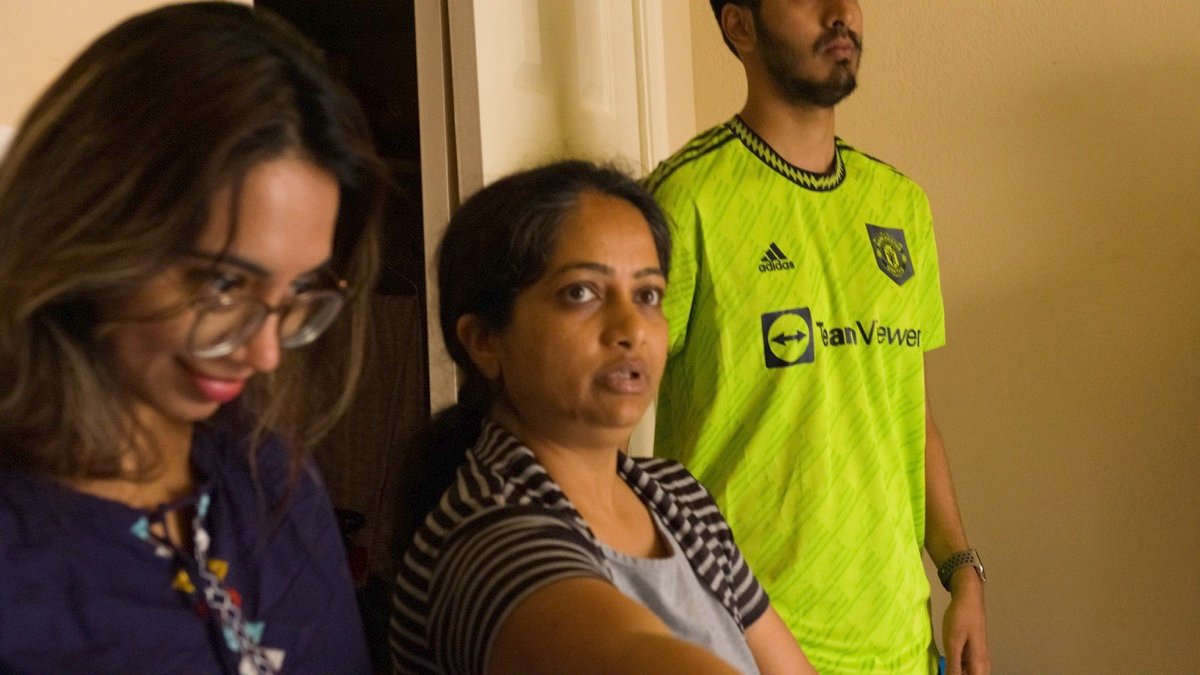
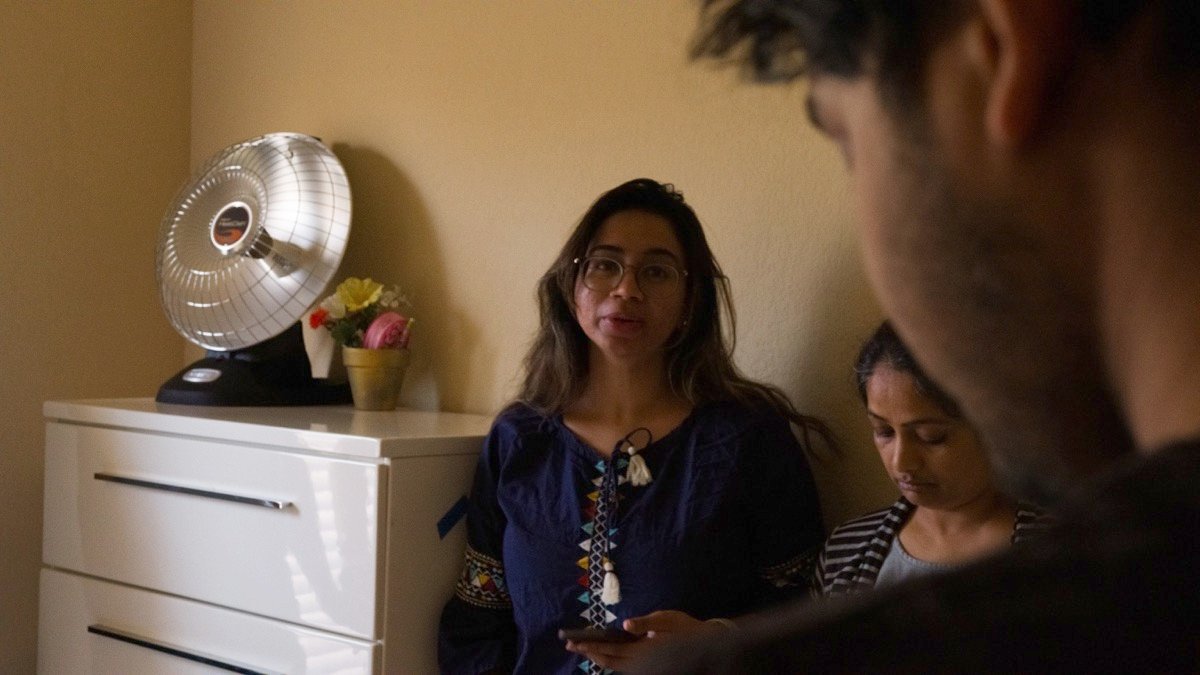
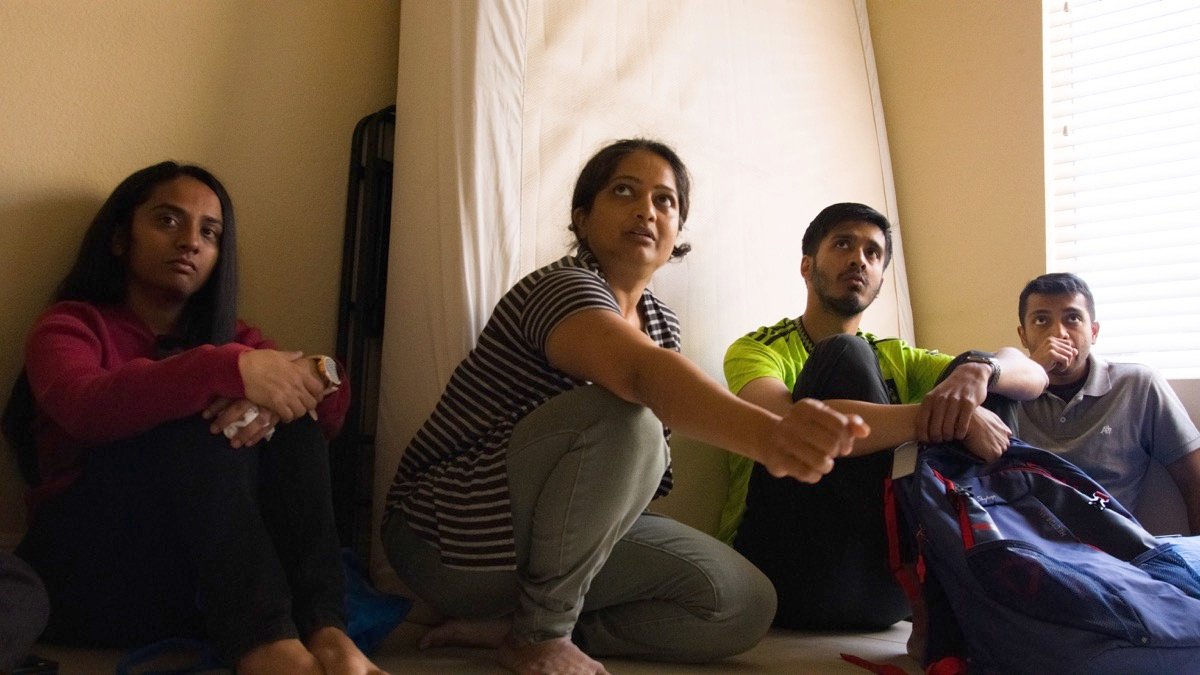
One creative challenge fascinated me. My story was set in a war taking place thousands of miles away, between Ukraine and Russia. Yet visually, the audience would only see three walls of a bunker. How could I make them truly feel that they were in Ukraine? I knew sound and music would have to do the heavy lifting. I reached out to my friend, Mattie Sanders, whom I had met at Arizona Actors Academy. I remembered hearing her play the violin during one of our classes and being deeply impressed by her talent. I asked if she would compose music inspired by Ukrainian and Russian folk traditions. She beautifully captured the mood I was looking for. I also incorporated the official air raid siren used in Ukraine at the beginning of the film. Combined with Mattie's original violin score, which carried the transitions, climax, and end credits, the soundtrack became an emotional bridge that transported the audience beyond the four walls of the bunker.
During pre-production, I also felt the story needed one more emotional layer. I wrote a poem that reflected the fear, resilience, and uncertainty the students were living through. It became another way to express emotions that dialogue alone could not.
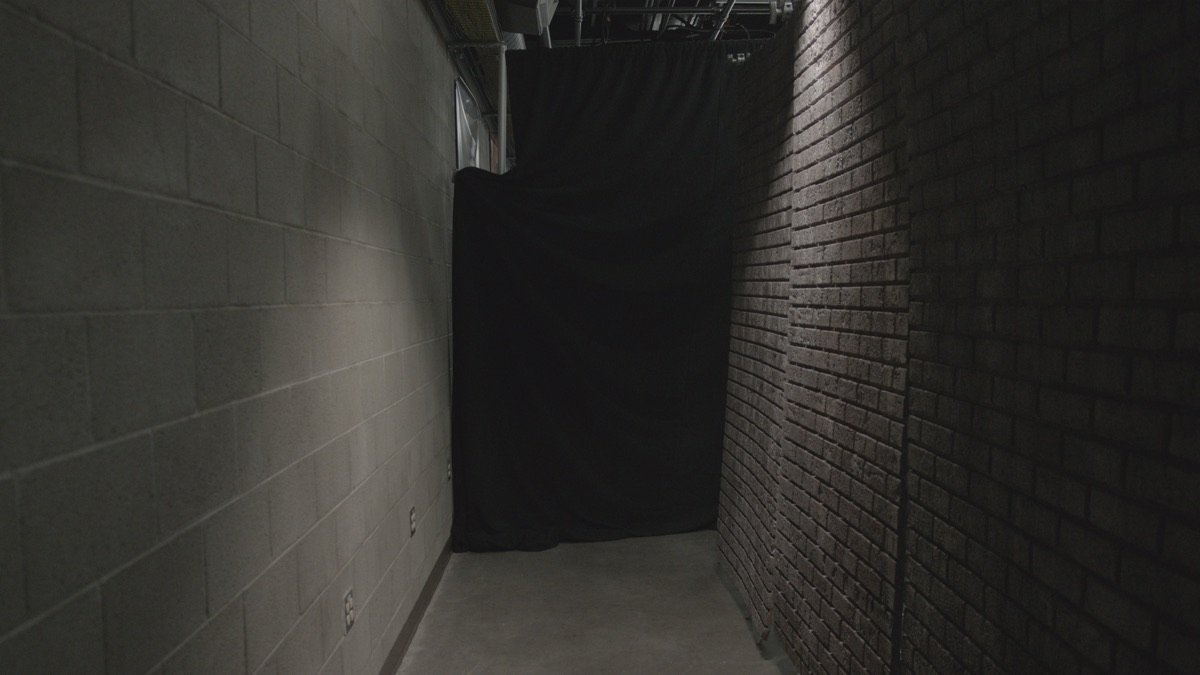
Our location was on the Scottsdale Community College campus. We used a production space where students had already built artificial walls for another class. With a little creativity, we transformed that area into a convincing underground bunker.
Then came production day.
We had only one day to shoot a twelve-page screenplay. We began early in the morning, had the set ready by 9 a.m., and needed to wrap by 5:30 p.m. Apart from a short lunch break and a quick snack break, everyone stayed focused throughout the day. We held safety meetings, completed equipment checks, and followed a structured production schedule.
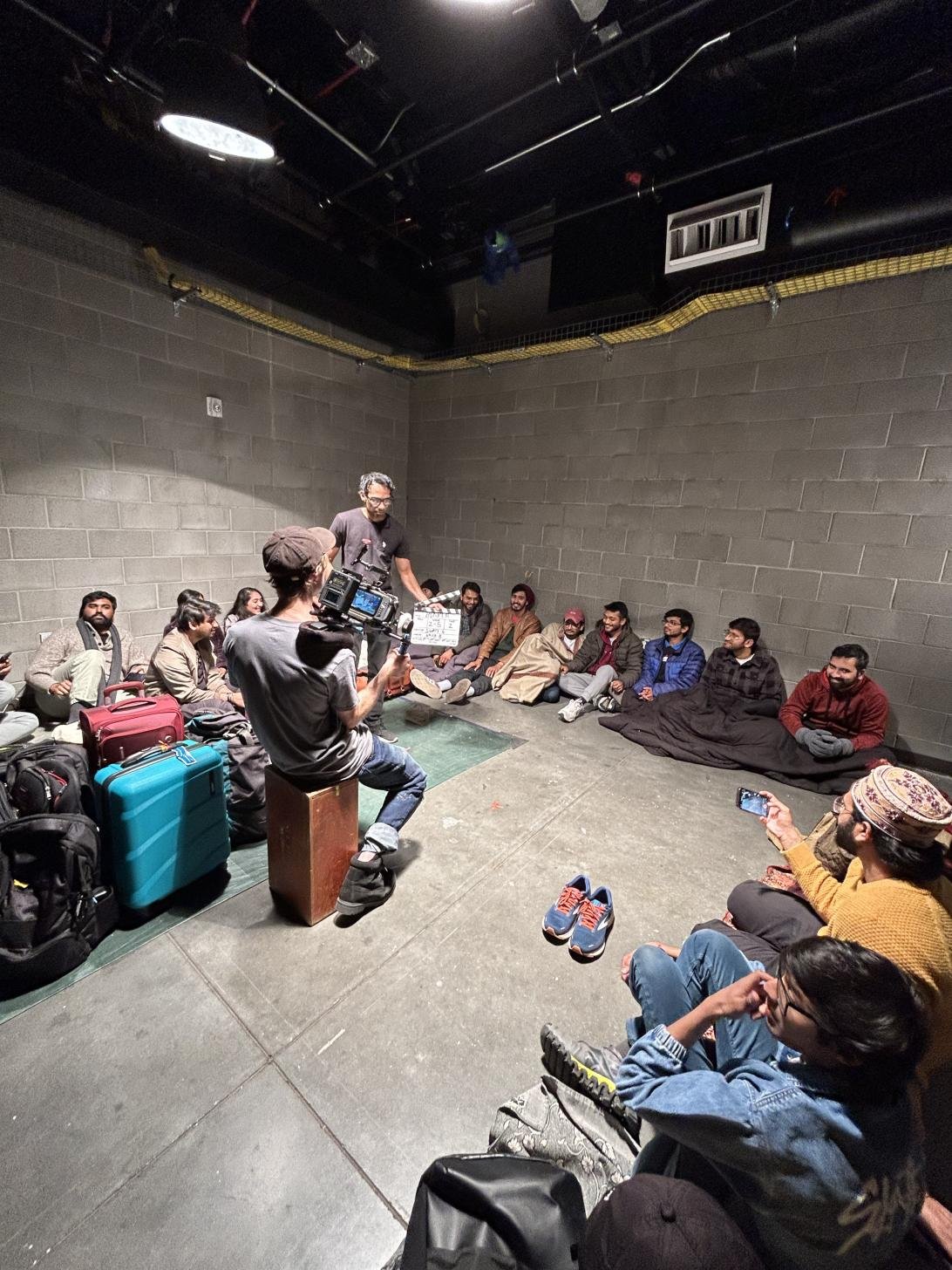
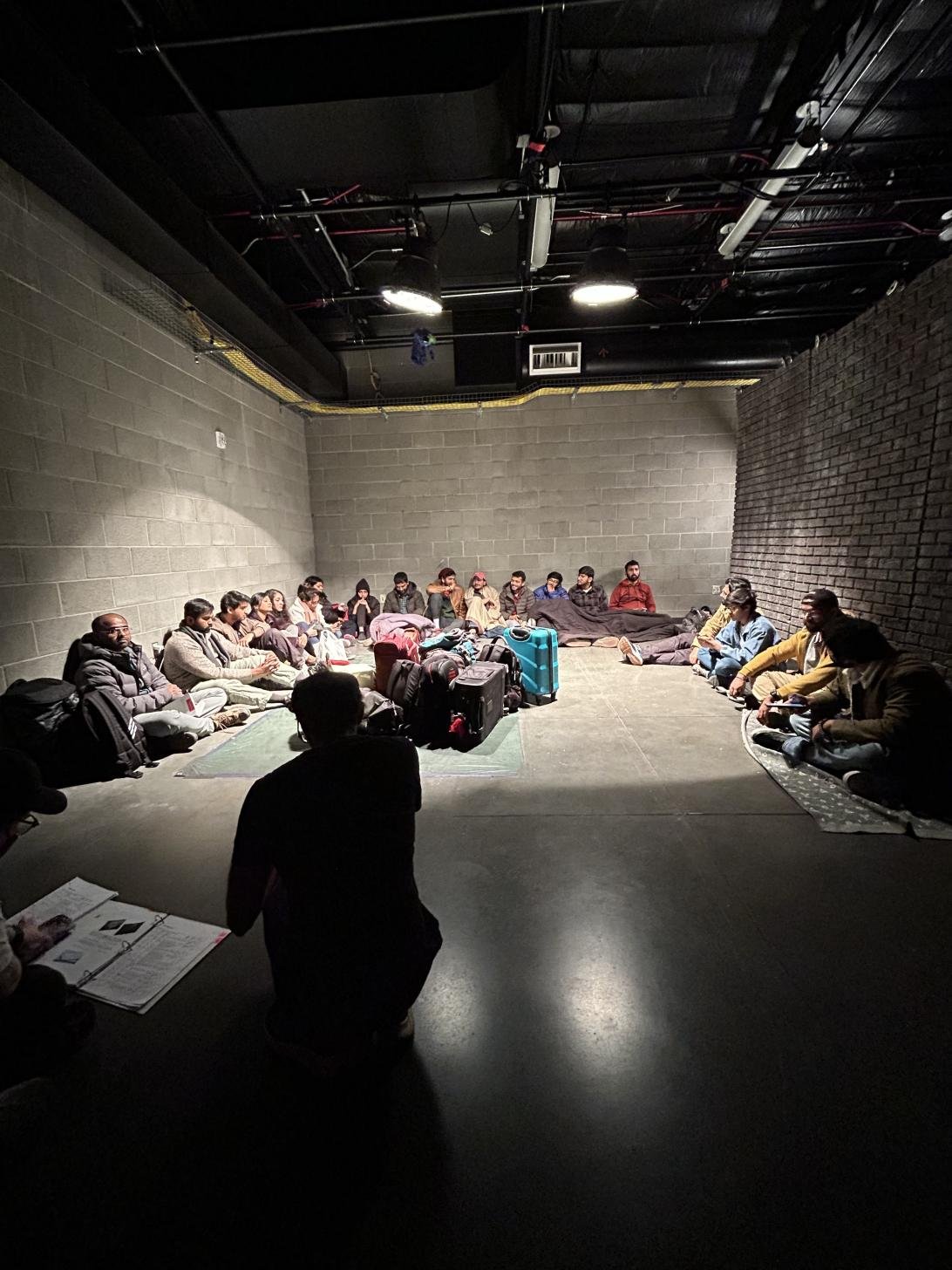
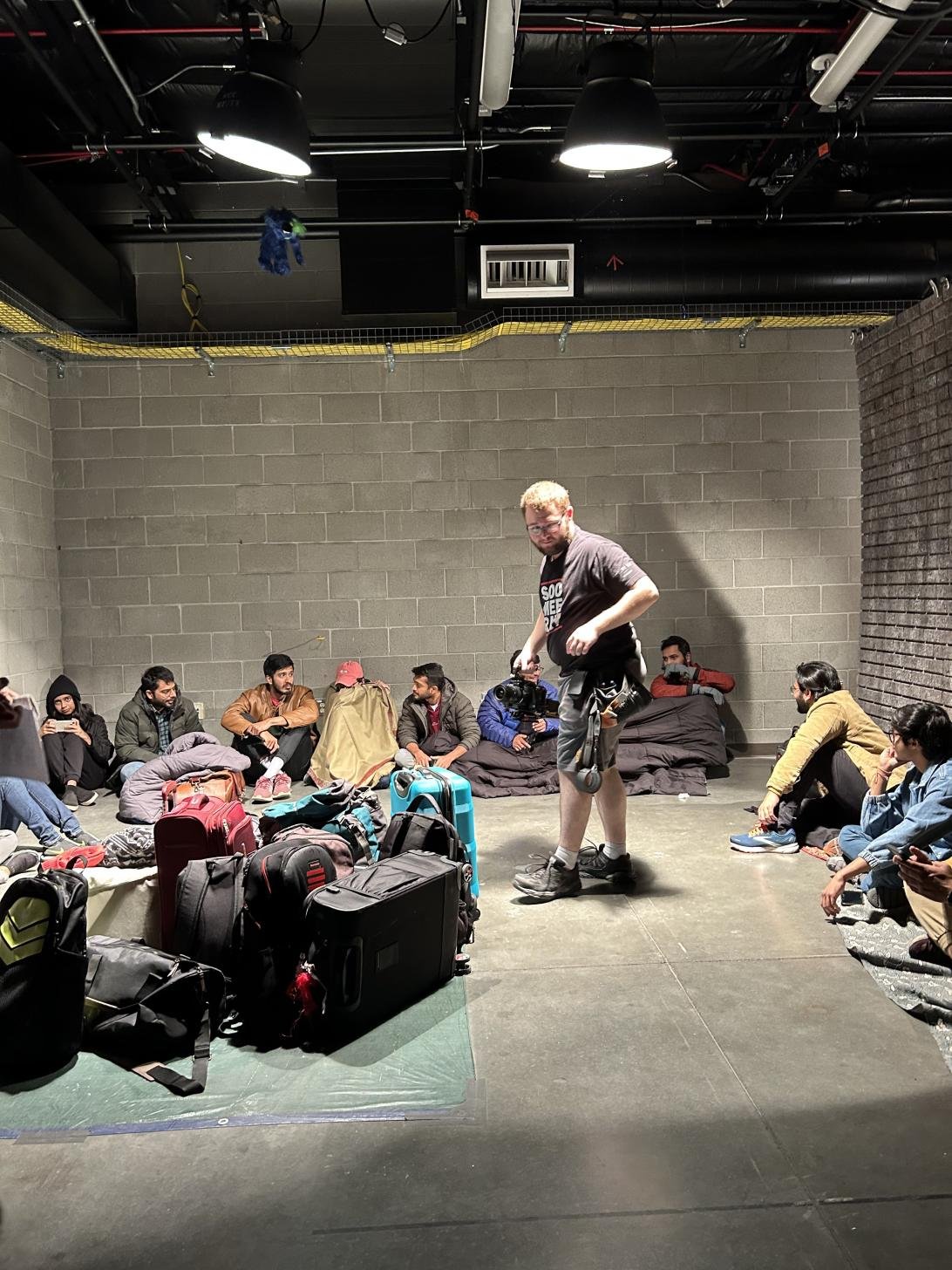
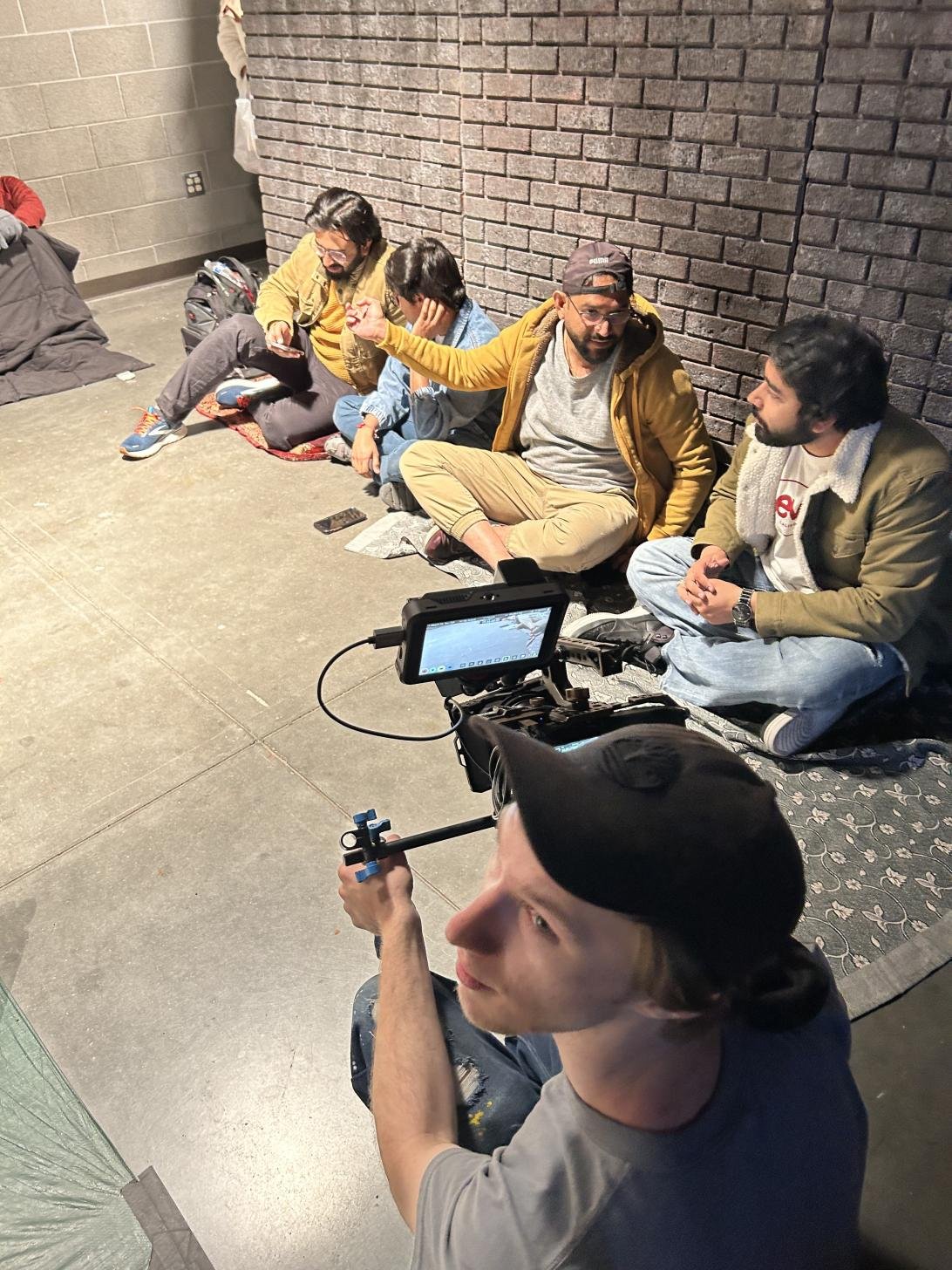
Looking back, I realize how much thorough pre-production helped us succeed.
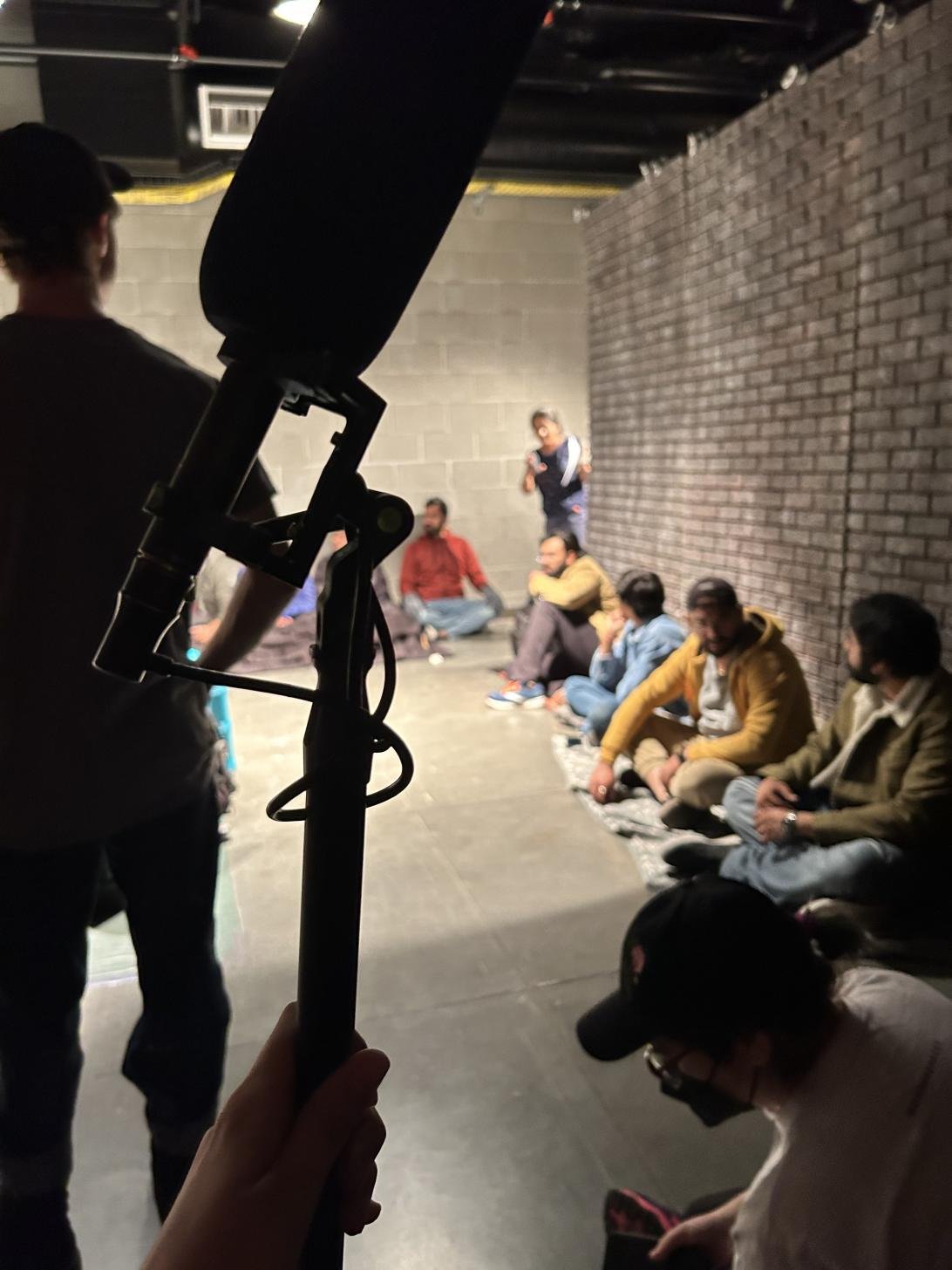
Of course, not everything went perfectly.
Like every first film, it came with valuable lessons, especially about recording clean production audio. Some of those mistakes could only have been learned through experience, and they became lessons I carried into every project that followed.
What stayed with me most, however, was the passion of the people involved. Although it was a college project, every member of the cast and crew gave it their absolute best because they genuinely connected with the story.
After filming came post-production.
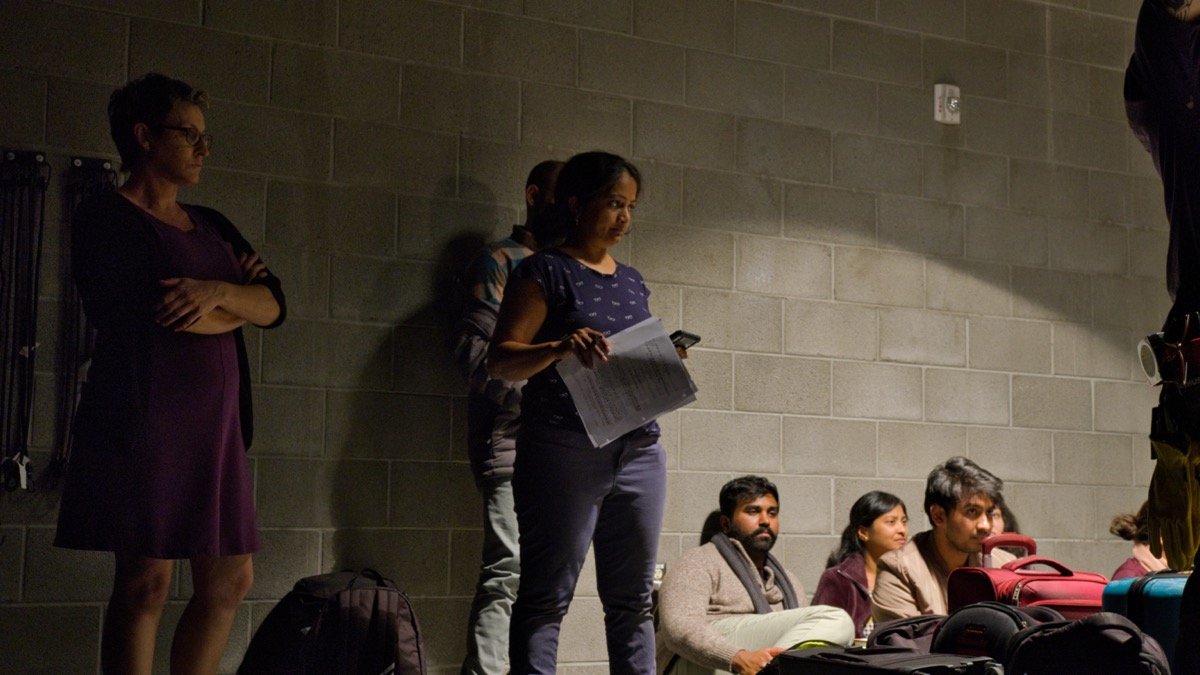
Initially, my editing classmates helped with the project, but since the film was in Hindi, I eventually took over the editing myself. It became another learning experience, balancing storytelling, pacing, sound, and emotion in the edit.
When the film was finally complete, I couldn't have imagined the journey it would take.
Bunker Healers Refuge went on to receive recognition at multiple film festivals, winning awards and earning nominations. Seeing a project that began as a classroom assignment connect with audiences and juries was both humbling and deeply encouraging.
Today, when I watch the film, I can easily point out things I would do differently. That's the beauty of growth. Every filmmaker looks back at their first project and sees opportunities for improvement.
I wouldn't change the experience for anything.
That first film taught me lessons no classroom ever could: how to lead a crew, communicate a vision, plan a production, direct actors, solve problems under pressure, and trust the filmmaking process.
Most importantly, it reminded me why I wanted to make films in the first place: to tell stories that matter.
Bunker Healers Refuge will always hold a special place in my heart, not because it was my first film, but because it showed me what was possible when learning meets purpose.
The film is available to watch at: